
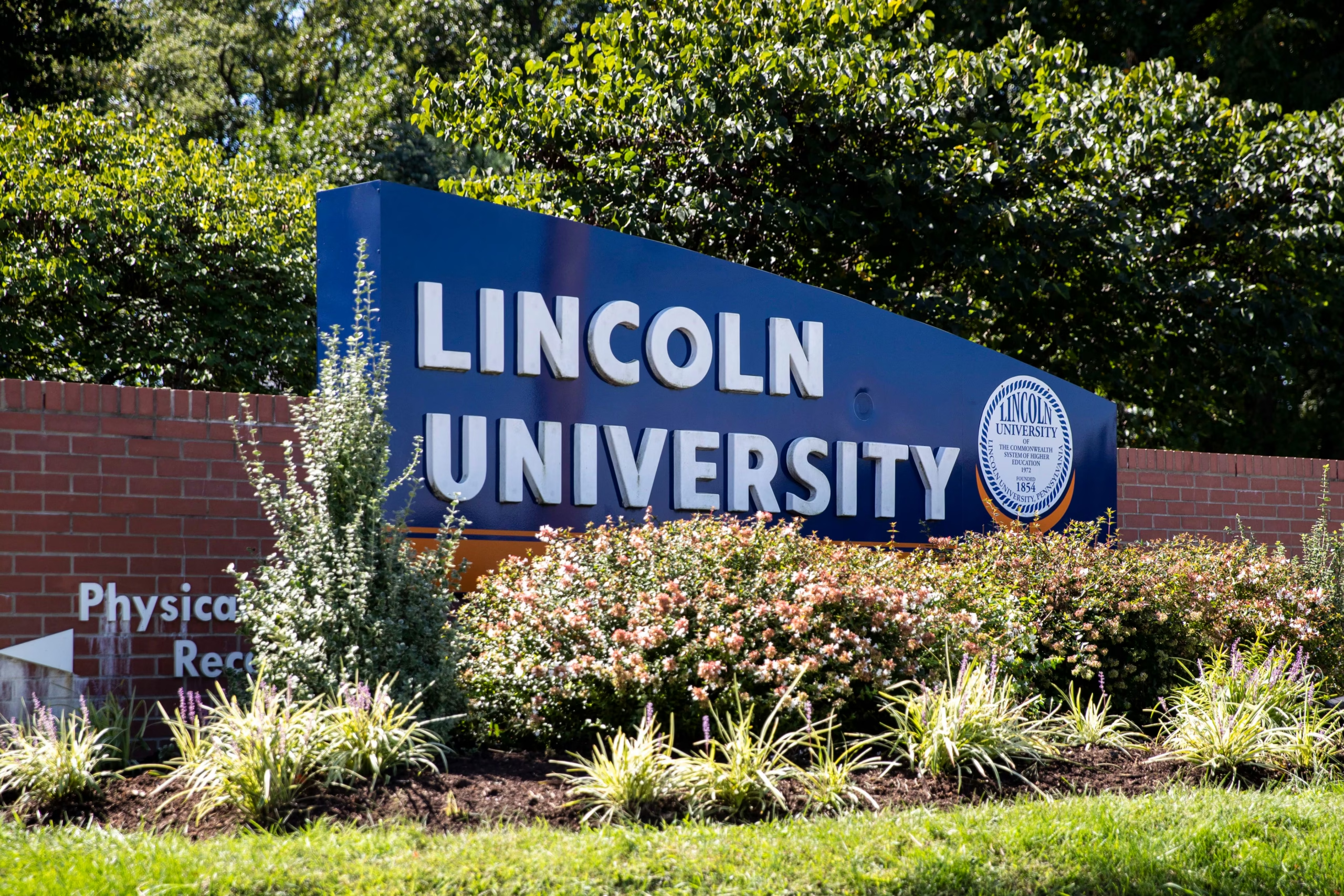
Lincoln University (Pennsylvania): America’s First Degree‑Granting HBCU
Lincoln University—originally established as The Ashmun Institute in 1854 and renamed in 1866 to honor President Abraham Lincoln—holds the distinction of being the first university in the world to grant degrees to African Americans. Founded by John Miller Dickey, a Presbyterian minister, and his wife Sarah Emlen Cresson, a Quaker educational philanthropist, the institution emerged from a profound moral vision: to educate African Americans in the arts and sciences at a time when such opportunities were nearly nonexistent. That legacy of empowerment and possibility continues to shape every aspect of Lincoln University today. (lincoln.edu)
The early curriculum was rigorous, modeled after classical academies, and the university quickly earned the nickname “the Black Princeton” due to its high standards, close ties to Princeton-trained faculty, and its orange and blue colors mirrored from Princeton’s black and orange. From its earliest graduating classes, Lincoln produced prominent leaders—physicians, attorneys, educators, and clergy—from its graduates, including two white students in its first baccalaureate class in 1868. (lincoln.edu)
The vision behind its founding was deeply rooted in social justice, spiritual conviction, and intellectual empowerment. John Miller Dickey, a Presbyterian minister, and Sarah Emlen Cresson, a Quaker philanthropist and educator, established the school to provide African Americans with access to the kind of classical education that was routinely denied to them. Their mission was clear: to prepare Black students for leadership roles not only within their communities but also across the broader national and global landscape.
Even in its early years, Lincoln University attracted some of the most brilliant minds of its time. It became a training ground for ministers, doctors, lawyers, educators, and scholars—people who would go on to shape civil rights movements, redefine cultural narratives, and lead with distinction. Among its most distinguished alumni are Thurgood Marshall, the first African American U.S. Supreme Court Justice; Langston Hughes, the iconic Harlem Renaissance poet; and Kwame Nkrumah, the first President of Ghana. These figures represent only a fraction of Lincoln’s powerful legacy of influence.
But Lincoln’s story isn’t just about the past—it’s also a compelling narrative of resilience and relevance in the present. Today, the university continues to evolve, offering a curriculum that is both classically rooted and future-focused. With a strong foundation in the liberal arts, Lincoln prepares students to think critically, communicate effectively, and engage meaningfully with the world around them. Academic excellence is more than a goal here—it’s a tradition.
The university’s academic offerings span a wide range of disciplines, including biology, chemistry, computer science, psychology, sociology, and business. The Honors Program and Undergraduate Research initiatives foster deeper inquiry and scholarship, encouraging students to go beyond the classroom in pursuit of original thought and innovation. Faculty members are not just lecturers—they are mentors, advisors, and advocates who are deeply committed to their students’ success.
One of the defining features of a Lincoln education is its strong emphasis on character development and community engagement. Rooted in its founding values, the university instills in students a sense of responsibility—to themselves, to each other, and to the communities they serve. Volunteerism, activism, and public service are not simply encouraged—they are interwoven into the Lincoln experience. This emphasis helps cultivate graduates who are not only skilled professionals but also conscious citizens and compassionate leaders.
Lincoln’s campus life is equally enriching. Located on a serene 422-acre rural campus in southern Chester County, Pennsylvania, the university offers an intimate and nurturing environment where students can grow intellectually, emotionally, and socially. The tight-knit community allows for strong interpersonal connections, cultural exchange, and personal reflection. Student organizations, Greek life, leadership programs, and artistic showcases ensure that campus life is vibrant and well-rounded.
A Historic Campus with Modern Infrastructure
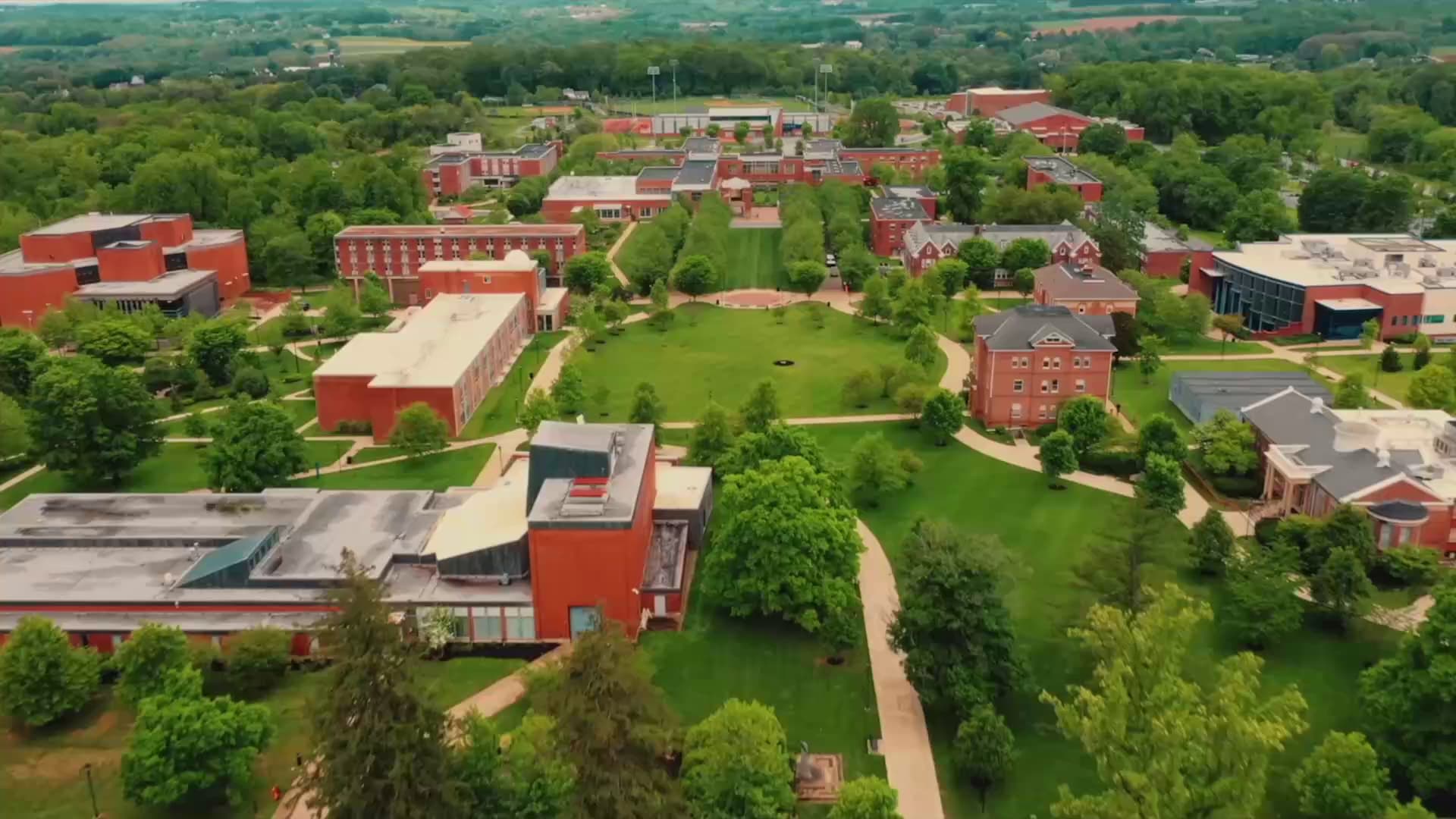
Spanning 429 rural acres in southern Chester County, Pennsylvania, Lincoln University’s main campus features 56 buildings, including historic halls like Alumni Hall (1870) and Amos Hall (1902), alongside modern facilities like the Ivory V. Nelson Science Center and International Cultural Center. (Wikipedia) The campus was added to the National Register of Historic Places in 2022, emphasizing its architectural heritage and historical importance. (Wikipedia)
Today, the modern infrastructure supports vibrant academic, residential, and cultural life. The Langston Hughes Memorial Library, built in 1972 and named after the renowned alumnus, holds over 185,000 volumes and thousands of digital resources. (Wikipedia) The Health & Wellness Center, Student Union, and Thurgood Marshall Living Learning Center are essential parts of campus life, offering spaces for academic support, social gatherings, media production, and student services. (Wikipedia)
A Legacy Rooted in Equity and Leadership
Lincoln University has a remarkable heritage of firsts. Within its first century, Lincoln graduates earned approximately 20% of the nation’s African American physicians and over 10% of African American attorneys. The university also produced dozens of presidents of colleges and universities, U.S. ambassadors, municipal leaders, and legal trailblazers. (lincoln.edu) Notable alumni include Langston Hughes, Thurgood Marshall, Christian Fleetwood, and international figures such as Kwame Nkrumah and Nnamdi Azikiwe, the first presidents of Ghana and Nigeria respectively. (lincoln.edu)
Leadership at Lincoln has included transformative figures like William Hallock Johnson, president from 1926 to 1936, who appointed the university’s first Black faculty and trustees, reduced debt, and improved campus infrastructure. (Wikipedia) Later, Horace Mann Bond became Lincoln’s first African American president in 1945 and played a pivotal role in advancing academic scholarship and social research. (Wikipedia) Most recently, Lincoln alumna Dr. Brenda A. Allen became the 14th president in 2017. She strengthened retention, infrastructure, and fundraising efforts—including securing a historic $20 million gift from philanthropist MacKenzie Scott. (Wikipedia)
Academics, Enrollment & Student Profile

Lincoln University enrolls approximately 2,200 students, including roughly 1,680 undergraduates and 125 graduate students. Its student body is over 90% African American, with notable representation from international students and other ethnic groups. Females represent around 64% of enrollment, while the student-to-faculty ratio sits at approximately 12:1, creating a small, supportive learning environment. (College Factual, lincoln.edu, BigFuture) Undergraduate majors are especially strong in Health Science, Human Services, Criminal Justice, Digital Media, and Management. (lincoln.edu)
Lincoln is a state-related university affiliated with Pennsylvania since 1972 and accredited by the Middle States Commission on Higher Education. Tuition for 2024–25 is approximately $12,512 (in-state) and $19,384 (out-of-state), plus room and board around $11,616/year. The university meets about 58% of demonstrated financial need on average, with about 87% of students receiving need-based aid and an additional 4% receiving merit-based awards. (lincoln.edu) The freshman retention rate is approximately 73%, and the six-year graduation rate is about 50%. (Money)
Campus Culture and Student Life

Lincoln University holds a close-knit, rural-campus atmosphere. Over 90% of students live on campus, typically in one of the 15 residence halls—many historic, some modern suite-style. (Wikipedia) Student life includes more than 45 student organizations, including dance troupes, fashion groups, radio and TV studios, and Greek life. That mix fosters strong bonds and community engagement. (appily.com, College Confidential) The annual Homecoming step show and concert are central social events, alongside athletics and cultural programming. (College Confidential)
Campus safety is emphasized through 24-hour patrols, secure housing access, escort services, and emergency systems, helping students feel secure on and around campus. (College Confidential)
Athletics and Campus Spirit

The Lincoln Lions compete in NCAA Division II, primarily within the Central Intercollegiate Athletic Association (CIAA). The school sponsors 11 varsity teams and is well-regarded in community sporting culture. (lincoln.edu) Athletics complement academics and social life as part of the broader sense of pride and unity among students and alumni.
Community Engagement and Cultural Heritage
.webp)
Lincoln’s origins include deep ties to African American history and early civil rights activism. The campus includes the Hosanna Meeting House, a station on the Underground Railroad and the last remaining structure of Hinsonville, a free Black community. It served as a place of worship and refuge in the pre-Civil War era. Listed on the National Register in March 2024, the Hosanna Meeting House is preserved as a symbol of resilience and heritage. (Wikipedia)
The Alumni Memorial Arch, dedicated in 1921 by President Warren G. Harding, honors Lincoln men who served during World War I, and stands as a landmark at the campus entrance. (Wikipedia)
Lincoln’s involvement in local and global communities continues through its strategic priorities—Learn. Liberate. Lead—which guide programs in Black studies, humanities, public health, global leadership, and educational access. (lincoln.edu)
Recent Challenges and Institutional Change
In early 2024, Lincoln faced a tragic moment when alumna and vice president Antoinette Candia‑Bailey died by suicide amid controversies over workplace treatment and mental health support in the administration. Her death sparked campus-wide protests and led the university to initiate a third-party review of leadership culture and student affairs. (The Guardian) This difficult episode underscores the ongoing challenges faced by HBCUs in maintaining institutional equity and support.
Notable Alumni and Their Legacies
Lincoln University’s alumni network includes a range of influential figures:
- Christian Fleetwood, first African American Congressional Medal of Honor recipient (Class of 1860)
- Langston Hughes, celebrated poet, novelist, and activist (Class of 1929)
- Thurgood Marshall, first Black U.S. Supreme Court Justice (Class of 1930)
- Leaders like Kwame Nkrumah and Nnamdi Azikiwe, the first presidents of Ghana and Nigeria, respectively, as well as scholars, educators, activists, and artists shaped by Lincoln’s education and values. (lincoln.edu, Wikipedia)
Academic Innovation and Future Outlook

Under President Brenda Allen’s leadership, Lincoln has seen major academic improvements, infrastructure modernization, increased fundraising, and strengthened institutional visibility. The university’s endowment stands at about $54 million as of mid-2023. (Wikipedia) Paid initiatives enhance student support, retention, and modernize facilities, securing Lincoln’s reputation as a small institution with a bold mission.
- Lincoln University (Pennsylvania): America’s First Degree‑Granting HBCU
- A Historic Campus with Modern Infrastructure
- A Legacy Rooted in Equity and Leadership
- Academics, Enrollment & Student Profile
- Campus Culture and Student Life
- Athletics and Campus Spirit
- Community Engagement and Cultural Heritage
- Recent Challenges and Institutional Change
- Notable Alumni and Their Legacies
- Academic Innovation and Future Outlook
- FAQs About Lincoln University (PA)
- Conclusion: Lincoln University’s Enduring Legacy and Bold Mission
FAQs About Lincoln University (PA)
Is Lincoln University really the first HBCU to grant degrees?
Yes. Founded in 1854 as The Ashmun Institute, it became Lincoln University in 1866 and is recognized as the first institution to grant degrees to African Americans. (lincoln.edu)
How many students attend Lincoln University?
The university enrolls roughly 2,200 students, including about 1,680 undergraduates, and offers small class sizes with a 12:1 student-faculty ratio. (College Factual, lincoln.edu)
What are Lincoln’s most popular academic programs?
Top programs include Health Science, Human Services, Criminal Justice, Digital Communications, and Management, reflecting Lincoln’s mission of professional and public service education. (lincoln.edu)
What kind of financial aid is available?
Lincoln meets about 58% of demonstrated need; around 87% of students receive need-based aid, and a small percentage receive merit-based grants averaging around $8,940. (Money)
What is campus life like?
Lincoln offers a rural, residential experience—over 90% of students live on campus—with strong Greek life, student organizations, cultural events, and a supportive social atmosphere. (College Confidential, appily.com)
Does Lincoln support athletics?
Yes. The Lincoln Lions compete in NCAA Division II, in the CIAA, across 11 varsity sports. (lincoln.edu)
How does Lincoln connect with broader history and community?
The campus preserves Hosanna Meeting House, a former Underground Railroad station, and hosts memorials and landmarks tied to its legacy of civic leadership and educational excellence. (Wikipedia)
Conclusion: Lincoln University’s Enduring Legacy and Bold Mission
Lincoln University (PA) embodies centuries of academic excellence, leadership, and social justice. As the first degree-granting HBCU, it launched educational access for Black students long before desegregation. Today, it remains dedicated to raising leaders who are ready to learn, liberate, and lead within and beyond their communities.
With its historic campus, committed faculty, committed student body, and global alumni network, Lincoln offers a small‑school experience with outsized impact. While it faces the contemporary challenges of leadership culture, retention, and financial stability—as highlighted by recent events—the institution continues to chart a path forward rooted in equity, innovation, and service.
From Langston Hughes to Thurgood Marshall and countless unsung graduates who shaped civic life, Lincoln University’s story is one of resilience and hope. And with ongoing institutional renewal and community resolve, its next chapter promises to be as inspiring as its past. Whether you’re seeking personal transformation, academic growth, or a chance to contribute meaningfully to society—Lincoln University offers a legacy worth joining and a future worth shaping.