
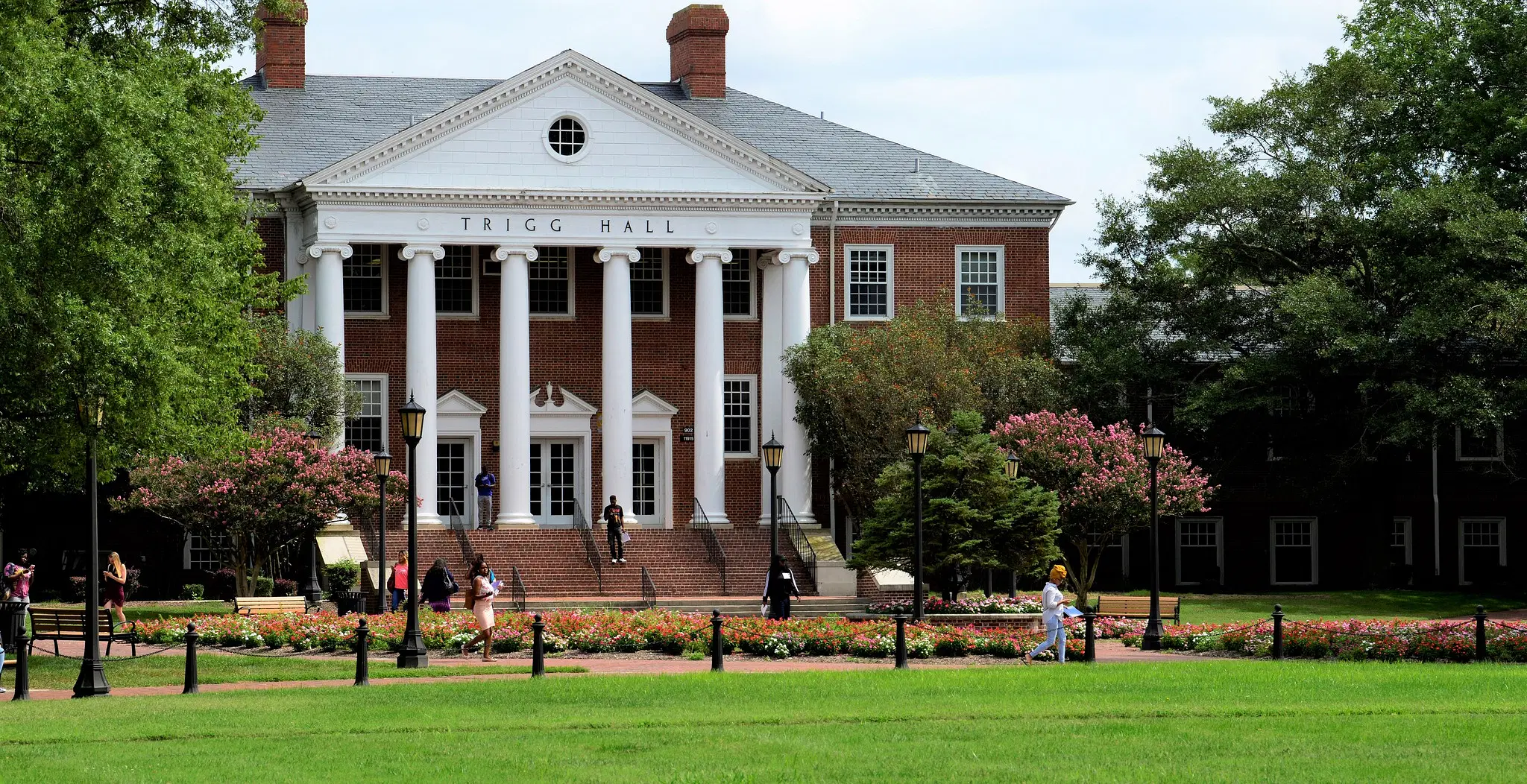
University of Maryland Eastern Shore: A Proud HBCU with Research Power and Community Impact
The University of Maryland Eastern Shore (UMES) is a unique institution that blends tradition, academic innovation, and civic service. Located in rural Princess Anne, Maryland, UMES was founded in 1886 as the Delaware Conference Academy and later evolved into Maryland’s only historically Black land-grant research university. With a mission grounded in “Facta, Non Verba” (Deeds, Not Words), UMES serves a diverse student body and continues to uphold its legacy through leadership in agriculture, health sciences, business, and environmental research.(Maryland State Archives, College Aftermath)
As an 1890 land-grant institution, UMES has a distinctive responsibility to conduct agricultural and environmental research that directly benefits rural and minority communities. The university’s extension programs work hand-in-hand with local farmers, schools, and businesses to apply cutting-edge science in real-world settings. These initiatives often center on sustainable farming practices, food security, and coastal ecology, all of which are crucial for the future of Maryland’s Eastern Shore and beyond. UMES scientists and students are involved in everything from developing disease-resistant crops to studying the environmental effects of climate change on regional fisheries.
UMES is also nationally recognized for its excellence in health and human services. Home to one of the few pharmacy programs located on Maryland’s Eastern Shore, the university is a regional leader in training healthcare professionals. Other standout programs include the Doctor of Physical Therapy degree, Rehabilitation Services, and the burgeoning fields of public health and environmental health. These offerings not only respond to local and national shortages in medical professionals but also provide culturally competent care to underserved populations.
Another signature strength of UMES is its School of Business and Technology, which features nationally ranked programs in Hospitality and Tourism Management and Aviation Science. These forward-facing fields equip students with the skills to lead in fast-growing industries. The Aviation Science program, in particular, is one of the few at an HBCU and includes pilot training, aviation management, and air traffic control. UMES graduates from these programs go on to pursue successful careers in global business, commercial aviation, and entrepreneurial ventures.

In keeping with its commitment to inclusive excellence, UMES promotes diversity in all forms—racial, socioeconomic, geographic, and intellectual. The university embraces students from all walks of life and offers comprehensive support systems to help them thrive. Initiatives such as first-year experience programs, mentorship networks, tutoring centers, and mental health services create a supportive environment where students can achieve their full potential. The emphasis on community and belonging is evident across campus, from student government to residence life to cultural events that celebrate heritage and identity.
UMES is equally committed to research and scholarship that serve the greater good. Faculty and students collaborate on projects ranging from aquaculture to biomedical sciences to social justice. These research efforts are often community-based, ensuring that discoveries have real-world applications and immediate benefits. The university’s Office of Sponsored Research and Programs helps secure funding from agencies like the National Science Foundation, USDA, and NIH, enabling faculty and students to participate in nationally significant projects.
The university’s global reach continues to expand through international partnerships and study-abroad programs. UMES has forged connections with institutions in Africa, the Caribbean, Asia, and Europe, enriching the academic experience and broadening students’ worldviews. These collaborations also bring international scholars and perspectives to the UMES campus, enhancing the overall learning environment.
Founding, Mission, and Evolution
UMES was originally established as Delaware Conference Academy for Negroes, affiliated with Morgan College. In 1890 it gained land-grant status under the Morrill Act, reinforcing its agricultural and mechanical mission. Over decades, its name changed—from Princess Anne Academy to Maryland State College—before adopting its current identity in 1970 and formally joining the University System of Maryland in 1988.(Maryland State Archives)
As Maryland’s only public HBCU, UMES emphasizes access, opportunity, and the integration of research with service. Its mission spans liberal arts and sciences, agriculture, business, engineering, pharmacy, education, marine sciences, and allied health disciplines.(Maryland State Archives)
Academic Structure and Signature Programs
UMES is organized into five schools: Agricultural & Natural Sciences; Business & Technology; Education, Social Sciences & the Arts; Pharmacy & Health Professions; and Graduate Studies. The university offers 38 bachelor’s, 14 master’s, and 8 doctoral degrees, with standout programs like Agribusiness, Aviation Science, Construction Management, Criminal Justice, Hospitality Management, and Marine-Estuarine Environmental Sciences.(Maryland State Archives)
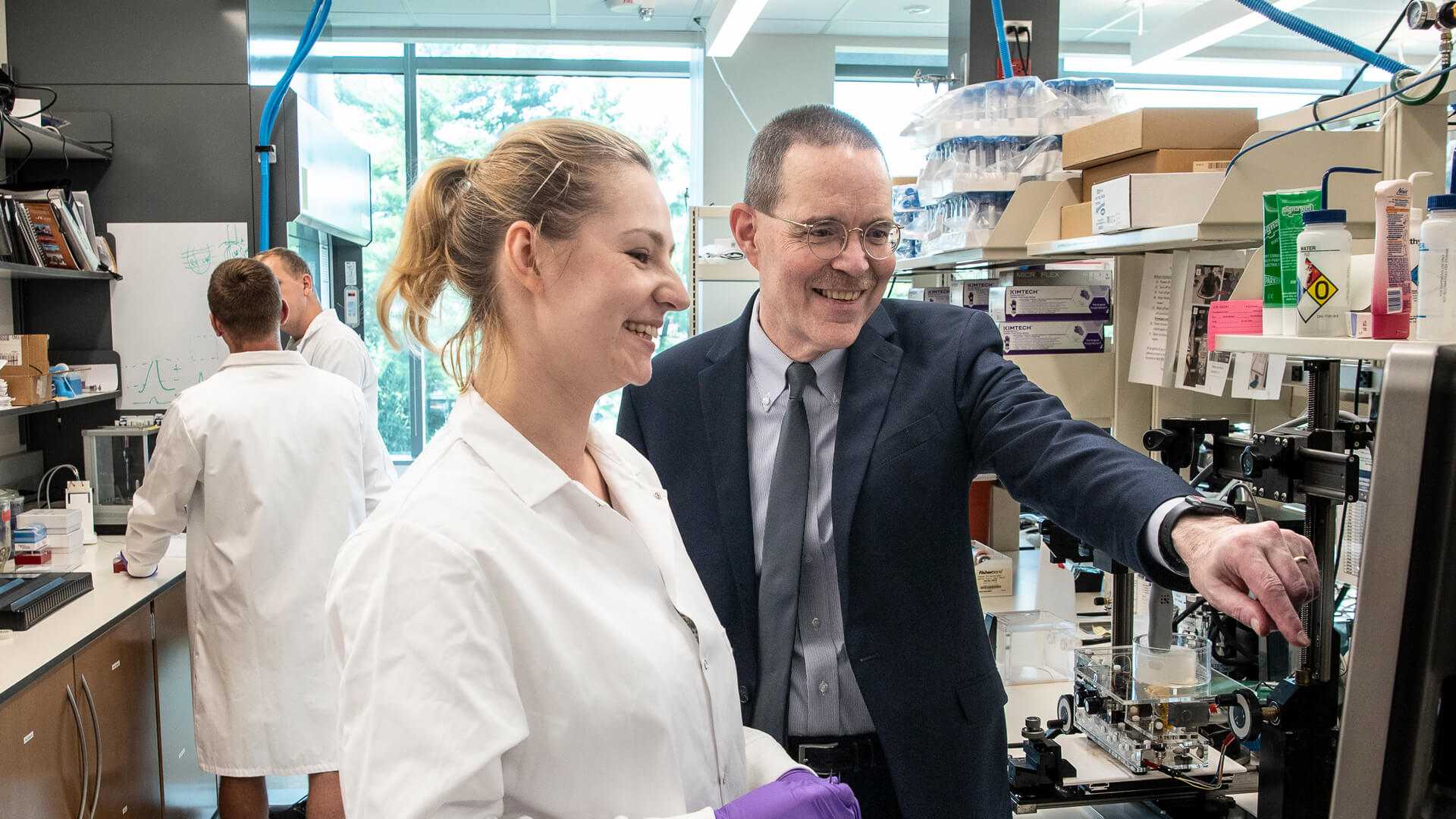
Hands-on research is central to the UMES experience. The Haskin Shellfish Research Laboratory, for instance, is nationally recognized for aquaculture innovation. Students also benefit from world-class labs in cybersecurity engineering, food science, and marine ecology—fields that reflect the university’s regional strengths.(College Aftermath)
Student Body & Campus Community
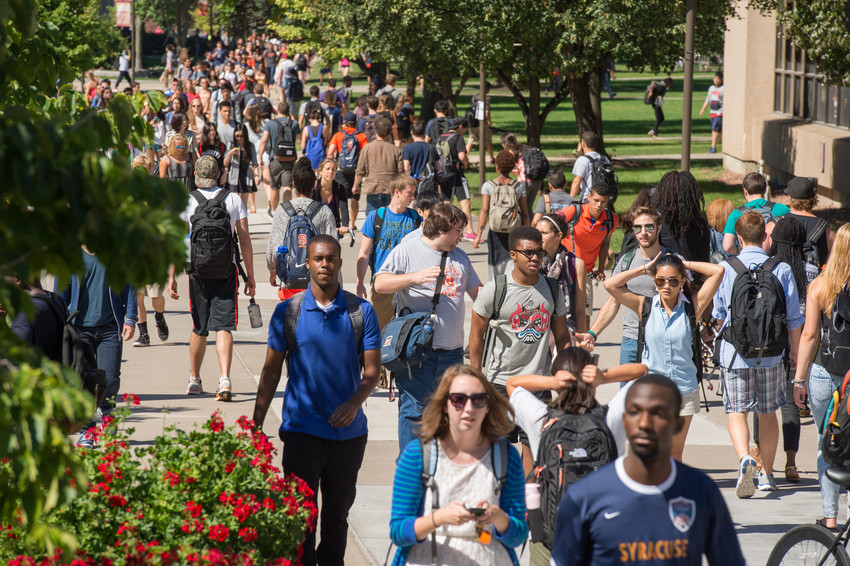
With around 2,844 students as of 2023—2,467 undergraduates and 696 graduates—UMES fosters a close-knit community. Roughly 70% identify as Black/African American, with over half of the student body identifying as women. International students come from nearly 50 countries.(College Aftermath)
Retention rates hover around 66–68%, and the six-year graduation rate is approximately 41%, with an extended graduation or transfer success rate closer to 78%.(University HQ)
Campus life thrives via nearly 300 student organizations, Greek life, leadership programs, and cultural events. Students praise UMES for its close faculty relationships and inclusive atmosphere, even as some note aging dormitories and limited off-campus amenities.(Niche)
Campus Facilities and Support Services

UMES sits on a picturesque 745-acre campus with Georgian and Colonial Revival architecture. Green spaces include the Henson Gardens and arboretum. Key facilities include the Frederick Douglass Library, student union, wellness center, and dedicated IT, housing, and career services.(College Aftermath)
The Frederick Douglass Library—expanded to 61,000 sq ft—houses over 211,000 volumes and archives celebrating UMES’s heritage. Student services range from wellness counseling to career counseling and internship placement.(Masters Portal)
Research, Innovation, and Land‑Grant Roots

As a Carnegie-classified doctoral research university, UMES conducts nationally significant studies in agraculture, environmental sciences, health professions, and cybersecurity. Central to these efforts is its status as Maryland’s only land-grant HBCU.(Wikipedia, Maryland State Archives)
Research clusters include the Haskin Shellfish Laboratory, aquaculture genetics, sustainable agriculture, and emerging tech research, allowing students to engage in applied projects that benefit the Eastern Shore and beyond.(College Aftermath)
Athletics and School Spirit

The UMES Hawks compete at the NCAA Division I level, primarily in the Mid-Eastern Athletic Conference (MEAC). Teams include men’s and women’s basketball, baseball, bowling, outdoor and indoor track, cross-country, volleyball, golf, tennis, and softball.(Wikipedia)
Notably, UMES’s bowling team has captured three NCAA Division I titles (2008, 2011, 2012), and the men’s basketball team was the only HBCU to be ranked in the AP Top 25 back in the 1973–74 season.(Wikipedia)
Home games are held at the Hytche Athletic Center (5,500 seats), while Hawk Stadium (approx. 1,000 capacity) hosts baseball.(Wikipedia)
Diversity, Equity & Inclusion

UMES delivers a powerful example of inclusive education. Most students are African American, and nearly two-thirds receive Pell grants, reflecting its mission of socioeconomic access. Around 25% of students come from out of state, and 2% are international.(College Factual)
Campus-wide initiatives foster equity, cultural heritage, and leadership through programming, student organizations, and faculty representation—all consistent with its HBCU foundation.(Niche, Maryland State Archives)
Admission, Cost & Financial Aid

UMES is considered moderately selective, with an acceptance rate close to 90% (2023 data). Annual tuition is around $10,000 in-state and $21,000 out-of-state, with net cost averaging roughly $16,000 after financial aid—especially affordable compared to peer institutions.(University HQ)
Nearly 89% of students receive financial aid. The university places emphasis on need-based support and services to assist first-generation and low-income students.(University HQ, GoToUniversity)
Community Impact & Local Roots
UMES is deeply connected to Maryland’s Eastern Shore region. Through land-grant programming, cooperative extension services, environmental research, and public health outreach, the university plays a vital role in societal development.(Maryland State Archives, GoToUniversity)
The university also engages in cultural and civic initiatives, hosting events highlighting Black heritage, student activism, and regional partnerships for economic and environmental sustainability.(UMES Groups, College Aftermath)
Challenges and Opportunities Ahead
UMES faces challenges typical of rural public universities: campus maintenance concerns, administrative transparency, and retention pressures. Niche student reviews mention dorm cleanliness and communication gaps. At the same time, the university’s intimate size supports personal faculty engagement and strong mentorship.(Niche, University HQ)
The university continues investing in campus improvements, academic expansion, and student retention strategies—aiming to align its heritage with renewed excellence.(GoToUniversity, UMES Groups)
- University of Maryland Eastern Shore: A Proud HBCU with Research Power and Community Impact
- Founding, Mission, and Evolution
- Academic Structure and Signature Programs
- Student Body & Campus Community
- Campus Facilities and Support Services
- Research, Innovation, and Land‑Grant Roots
- Athletics and School Spirit
- Diversity, Equity & Inclusion
- Admission, Cost & Financial Aid
- Community Impact & Local Roots
- Challenges and Opportunities Ahead
- FAQs: University of Maryland Eastern Shore
- Conclusion: UMES’s Legacy and Future Promise
FAQs: University of Maryland Eastern Shore
What kinds of degree programs does UMES offer?
UMES offers 38 bachelor’s, 14 master’s, and 8 doctoral programs, with strong offerings in agriculture, marine sciences, engineering technology, business, pharmacy, and education.(Maryland State Archives)
How diverse is the campus?
Approximately 70% of students are Black or African American, with additional representation from white, Hispanic, international and multiracial students. Female students make up around 56% of enrollment.(College Factual)
What is campus life like?
With nearly 90% of students living on campus, UMES offers a vibrant, community-oriented environment. Student life includes Greek organizations, cultural clubs, athletics, and service activities. Housing and dining quality are reported areas for improvement.(Niche)
How competitive are admissions and what is the cost?
UMES had a nearly 90% acceptance rate in 2023. Net annual cost after aid averages around $16,000, with most students receiving financial support.(University HQ)
What sports do UMES teams compete in?
UMES competes in 15 NCAA Division I sports in the MEAC and NEC. It has a championship-level bowling program and other varsity teams in basketball, volleyball, baseball, softball, track, golf, and tennis.(Wikipedia)
Does UMES conduct research?
Absolutely. UMES is Maryland’s only historically Black land-grant research university, with major work in aquaculture, environmental science, health professions, cybersecurity, and agriculture.(Maryland State Archives)
Conclusion: UMES’s Legacy and Future Promise
The University of Maryland Eastern Shore remains rooted in a legacy of service, access, and academic possibility. As Maryland’s only public HBCU and land-grant research institution, UMES marries heritage with innovation—offering programs that support both regional development and student advancement. With strength in agriculture, health, marine science, education, and technology, UMES equips leaders ready to engage the world with purpose.
Its charming rural campus, supportive community, and faculty-student connections reflect the heart of an institution dedicated to student transformation. While facing challenges of infrastructure and retention, UMES continues to grow, adapt, and reaffirm its mission: to deliver “deeds, not words”, to those who need opportunity most, and to educate scholars who serve the world.