
Fisk University: A Legacy of Excellence, Resilience, and Black Empowerment
Fisk University stands as one of the most historically significant and academically rich institutions in the United States. Nestled in the heart of Nashville, Tennessee, Fisk is a private, historically Black university that has cultivated leaders, artists, scientists, and activists for over a century. Its enduring mission to provide an elite education to African American students in the post-Civil War era marks it as a cornerstone of American academic and civil rights history.
From its roots in Reconstruction-era America to its ongoing pursuit of academic excellence and cultural preservation, Fisk University has played a vital role in shaping not only Black intellectual life but also the broader narrative of higher education in the United States.
Named after Union Army General Clinton B. Fisk of the Freedmen’s Bureau, who provided crucial funding and support, the university was not designed to be a temporary solution, but a permanent and powerful center of learning. From the beginning, Fisk embraced the idea that African Americans deserved more than just vocational training—they deserved the same high-quality liberal arts education offered to white students at elite colleges in the North. This revolutionary approach set Fisk apart and allowed it to become a sanctuary of hope and ambition for generations of Black students who dreamed of becoming scholars, doctors, lawyers, teachers, artists, and activists.
Throughout its illustrious history, Fisk has cultivated some of the most influential minds of the 20th and 21st centuries. From civil rights leaders like W.E.B. Du Bois and Diane Nash to celebrated artists, scientists, and business professionals, the university has played a vital role in shaping America’s cultural and intellectual landscape. It is not only a school—it is a movement, a legacy, and a powerful narrative of what can be achieved when education is rooted in purpose and equality. To this day, Fisk University continues to lead with its timeless motto, “Her sons and daughters are ever on the altar,” reflecting its mission to prepare each student to contribute meaningfully to society, with courage, wisdom, and pride.
Founded in Freedom and Purpose

Fisk University was founded in 1866, just six months after the end of the Civil War. Its establishment was both bold and deeply necessary, intended to educate the newly freed Black population. A group of visionaries—including John Ogden, Reverend Erastus Milo Cravath, and Reverend Edward P. Smith—joined together under the auspices of the American Missionary Association to establish a school that would offer quality education to African Americans in the South.
Named after General Clinton B. Fisk of the Tennessee Freedmen’s Bureau, the school was created with hope, resilience, and faith in the power of education. Unlike many schools for freedmen that focused solely on vocational training, Fisk aimed higher. Its founders envisioned a liberal arts institution where Black students could access the same caliber of education available to white students in elite Northern schools.
Academic Prestige with a Global Reach

From its inception, Fisk University prioritized academic rigor. The school quickly earned a reputation for its excellence in the liberal arts, sciences, and teacher education. Today, Fisk remains one of the nation’s top-ranked Historically Black Colleges and Universities (HBCUs), and its academic influence reaches well beyond the U.S.
Fisk has been home to numerous groundbreaking scholars, including W.E.B. Du Bois, who graduated in 1888 before going on to become the first African American to earn a Ph.D. from Harvard University. The university has produced generations of intellectuals, educators, artists, and political leaders who have helped shape American society.
In modern times, Fisk continues to offer robust academic programs across disciplines such as biology, chemistry, physics, business administration, psychology, music, and history. The school also maintains partnerships with Vanderbilt University and Meharry Medical College, enhancing opportunities for students to engage in research and pursue dual-degree programs.
A Legacy of the Fisk Jubilee Singers
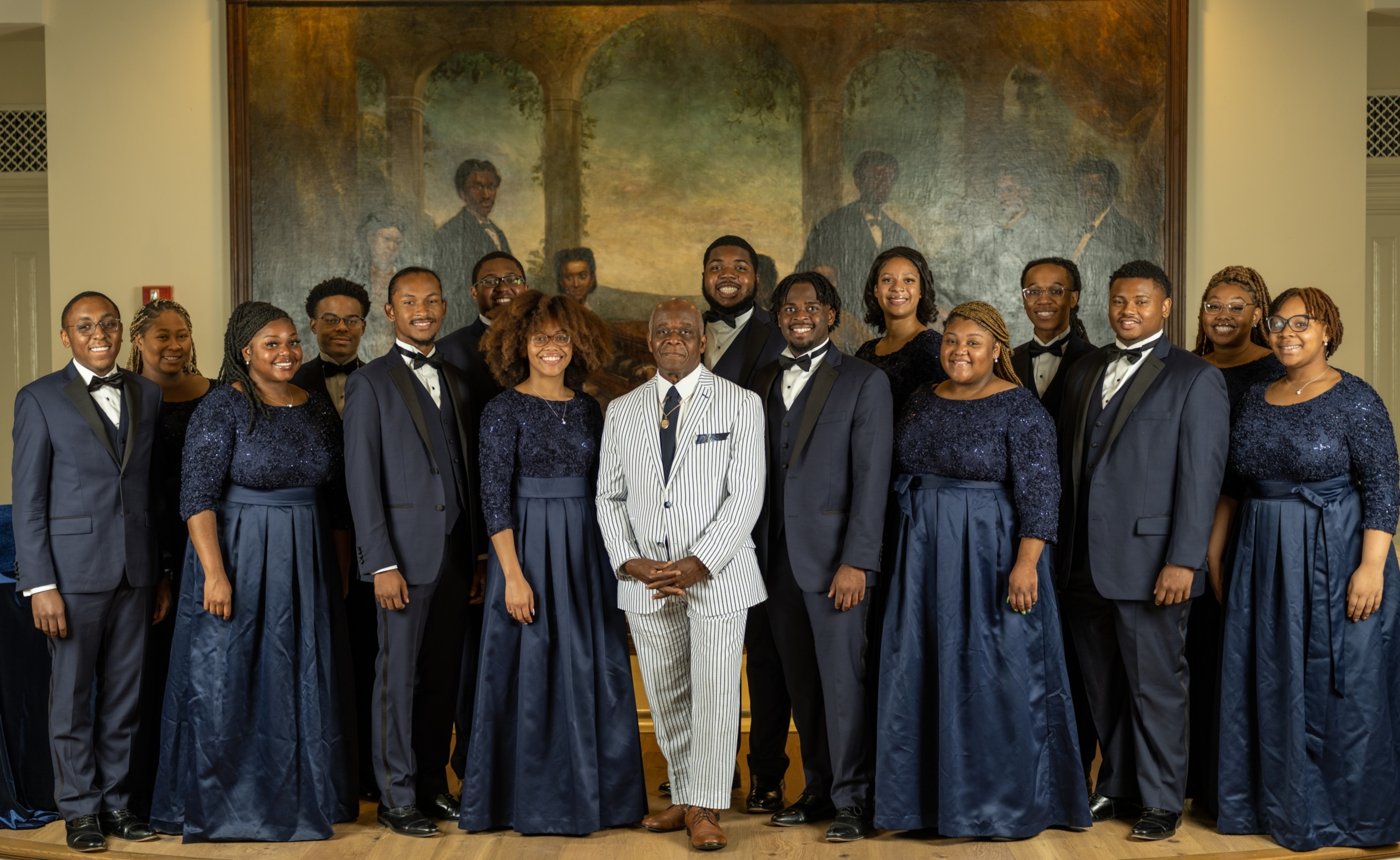
One of the university’s most iconic contributions to American culture is the Fisk Jubilee Singers, a choral group formed in 1871 to raise funds for the struggling institution. With their powerful renditions of traditional Negro spirituals, the Jubilee Singers captivated audiences around the world and introduced this sacred musical tradition to global ears.
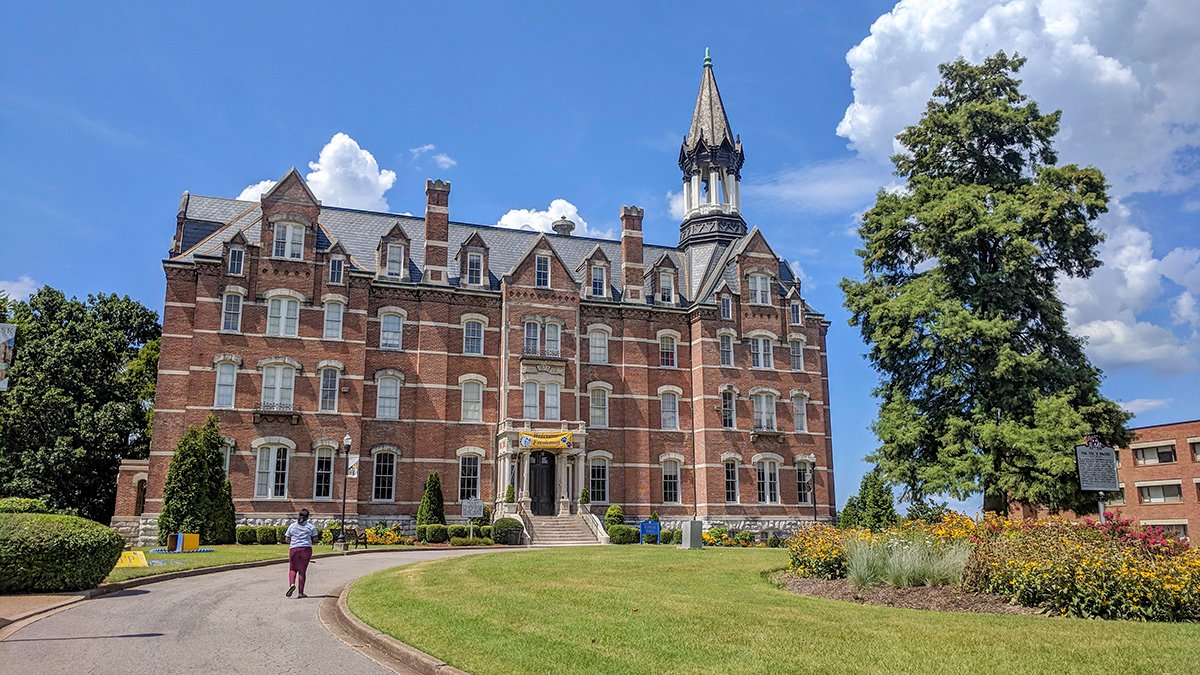
Their performances earned international acclaim and were instrumental in financing the construction of Jubilee Hall, the school’s first permanent building, which still stands today as a National Historic Landmark. More than just a musical group, the Jubilee Singers became cultural ambassadors for Black excellence, challenging stereotypes and promoting a positive image of African American culture during a time of extreme racial discrimination.
To this day, the legacy of the Jubilee Singers continues, with the group still performing globally and receiving prestigious accolades, including a National Medal of Arts awarded by President George W. Bush in 2008.
The Campus: Historic, Beautiful, and Full of Purpose

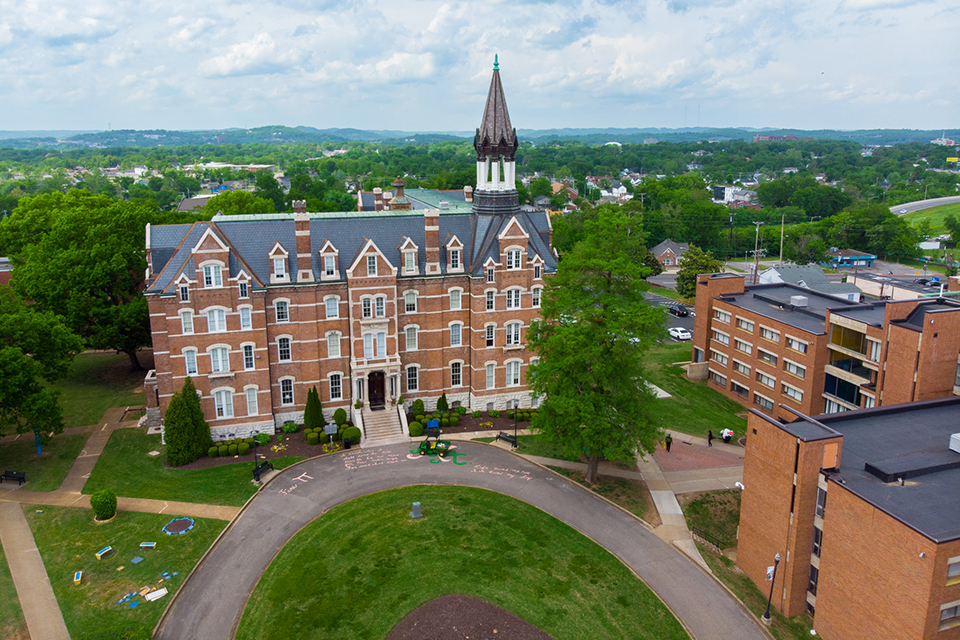
Fisk’s campus, located on 40 acres in North Nashville, exudes historic charm. The university blends classic Gothic and Victorian architecture with modern educational facilities. At the heart of the campus is Jubilee Hall, a magnificent six-story structure that symbolizes the university’s enduring spirit.
Other notable buildings include the Carl Van Vechten Art Gallery, home to a remarkable collection of African and African American art, and the Cravath Hall, named after one of the university’s founders. The Fisk campus has been designated a National Historic District, reflecting the deep roots the university has in both civil rights history and American education.
Despite its age, the university continues to modernize its infrastructure. Recent efforts have included renovation projects and the development of STEM facilities to align with the university’s increasing focus on science and technology education.
Commitment to Social Justice and Civil Rights

Fisk University has never been just about academics—it has always been about activism. From the days of the early civil rights movement to modern Black Lives Matter activism, Fisk students have been on the frontlines of social change.
In the 1960s, Fisk students played a key role in the Nashville sit-ins, part of the larger civil rights movement aimed at ending segregation in public places. Figures such as Diane Nash, a student at Fisk and one of the most prominent leaders of the movement, went on to become a central figure in national efforts for racial justice.
This spirit of resistance and advocacy remains embedded in Fisk’s identity. Students are encouraged to be intellectually curious, socially conscious, and actively involved in community leadership. The university’s curriculum and campus activities continue to reflect an ongoing commitment to equity, justice, and empowerment.
Culture and Arts at the Core

Fisk’s dedication to the arts is another cornerstone of its identity. Beyond the Jubilee Singers, Fisk has long been a center for artistic expression and cultural enrichment. The university houses the Aaron Douglas Gallery, named after the Harlem Renaissance artist who once chaired Fisk’s Art Department.
Fisk’s permanent art collection is one of the most important in the nation and includes pieces by Georgia O’Keeffe, Pablo Picasso, Diego Rivera, and Charles White. Much of this comes from the historic donation of Alfred Stieglitz’s collection, gifted by Georgia O’Keeffe, under the condition that the works be preserved and displayed responsibly.
Through its music, theater, visual arts, and creative writing programs, Fisk continues to inspire a new generation of Black artists and cultural leaders.
Research and Innovation in the 21st Century

As a member of the United Negro College Fund (UNCF), Fisk has continued to evolve to meet the demands of a changing world. The university is especially focused on increasing representation in the STEM fields—science, technology, engineering, and mathematics—through initiatives that include research opportunities, summer programs, and partnerships with major institutions.
Fisk is a founding member of the HBCU Innovation, Commercialization, and Entrepreneurship Ecosystem, which aims to support innovation-driven business development among HBCU students. The school’s Pre-Professional Program in Medicine, Pre-Law, and graduate school preparation pathways make it a competitive choice for students seeking rigorous academic preparation.
Fisk’s commitment to combining academic excellence with leadership, service, and innovation ensures it remains a relevant and transformative institution well into the future.
Student Life and Campus Community
Life at Fisk is vibrant, diverse, and rooted in tradition. The campus community is close-knit, allowing students to build deep connections with peers, professors, and mentors. Student organizations span from academic clubs and Greek life to activism groups, performance ensembles, and religious societies.
Homecoming, Founder’s Day, and Jubilee Day are cherished traditions that celebrate the university’s heritage and foster pride among students and alumni alike. Fisk’s leadership development initiatives and global learning programs also ensure that students gain both personal growth and international exposure.
Students benefit from a holistic education that blends scholarship with service and culture with community.
FAQ: Everything You Need to Know About Fisk University
What is Fisk University known for?
Fisk is best known for its academic excellence, historic significance, and the Jubilee Singers. It’s recognized for producing leaders in civil rights, education, arts, and sciences.
Is Fisk University a good school?
Yes. Fisk is a highly respected HBCU with strong liberal arts and STEM programs, a historic campus, and a deep commitment to social justice and leadership development.
How do you apply to Fisk University?
Students can apply through the Common Application or directly through the university’s admissions portal. Requirements typically include transcripts, standardized test scores (optional in some cases), recommendation letters, and a personal statement.
Does Fisk University offer scholarships?
Yes, Fisk offers merit-based and need-based scholarships. Through UNCF and other partnerships, students can access additional financial aid opportunities.
Is Fisk University accredited?
Yes, Fisk is accredited by the Southern Association of Colleges and Schools Commission on Colleges (SACSCOC) and holds various program-specific accreditations.
What majors are available at Fisk?
Fisk offers a variety of undergraduate majors, including Biology, Chemistry, Business Administration, Psychology, Computer Science, Music, English, Political Science, and Visual Arts.
Are there opportunities for research and internships?
Absolutely. Fisk students participate in research at top institutions like Vanderbilt, NASA, and Meharry Medical College. Internship programs are actively promoted across all disciplines.
What is campus life like?
Fisk offers a warm, supportive environment with many extracurriculars. From cultural events to service projects and student leadership, there’s a rich blend of activity that supports both academic and personal growth.
Final Thoughts: The Enduring Power of Fisk University
Fisk University is more than a school—it’s a beacon of Black excellence, resilience, and academic achievement. With over 150 years of legacy behind it, Fisk continues to lead with purpose, shaping future generations through a holistic, high-quality education rooted in history, justice, and innovation.
Its impact stretches far beyond the classroom, into the worlds of music, activism, art, science, and leadership. For students who seek more than just a degree—for those who crave meaning, mission, and community—Fisk University remains a shining example of what education can and should be.
Whether you’re a prospective student, an alumnus, or simply someone who admires institutions that stand for equity and excellence, Fisk’s story is one that continues to inspire. It’s not just a university—it’s a movement.